How to Price Handyman Work: Complete Pricing Guide (2026)
Learn how to price handyman jobs for maximum profit. Hourly vs flat rate, pricing formulas, rate-by-service tables, and a free calculator to find your ideal rate.
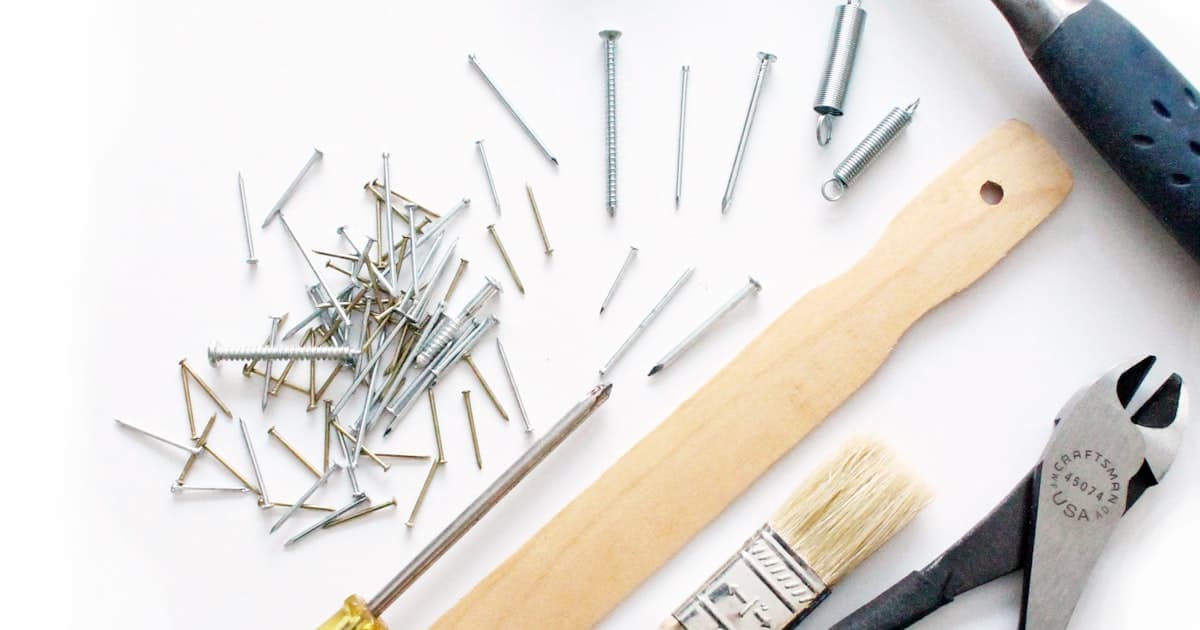
The #1 mistake new handymen make isn't bad work — it's bad pricing. Charge too little and you burn out working 60-hour weeks for less than minimum wage after expenses. Charge too much and you sit at home waiting for the phone to ring.
This guide gives you the exact formulas, tables, and strategies to price every job profitably — whether you've been doing this for 2 weeks or 20 years.
The 3 Pricing Models (and When to Use Each)
There are only three ways to price handyman work. Most pros use a mix of all three.
| Model | Best For | Pros | Cons |
|---|---|---|---|
| Hourly rate | Unpredictable jobs, troubleshooting, multi-task visits | Simple, covers surprises | Clients worry about the meter running |
| Flat rate (per job) | Predictable jobs (TV mount, faucet swap) | Clients love certainty; you earn more when you're fast | Lose money if you underestimate |
| Cost-plus | Material-heavy jobs (deck repair, tile work) | Covers materials + fair markup | Requires itemized quotes |
What the best handymen do: Start every job with a flat-rate estimate when possible. If the scope is unclear, quote hourly with a "not-to-exceed" cap. Use cost-plus for anything with more than $100 in materials.
Hourly Rate
You show up, work, and bill for the hours you put in. Simple — but most handymen set their hourly rate wrong because they base it on what feels right instead of what the math demands.
The average independent handyman charges $50-$100/hr depending on experience and location (Fixr, Housecall Pro). But "average" doesn't mean "correct for you." Your rate needs to cover a lot more than your time.
Flat Rate (Per Job)
Clients prefer flat rates because they know the total cost upfront. And here's the secret: flat rates usually pay better than hourly. A TV mount that takes you 45 minutes at a $175 flat rate is $233/hr effective. That same job billed hourly at $75/hr pays... $75.
The catch: you need to know your jobs well enough to estimate accurately. Underbid a flat-rate job and you eat the cost.
Cost-Plus
For material-heavy jobs, quote your labor (hourly or flat) plus materials with a 20-50% markup. The markup covers your time buying supplies, gas to the store, and the risk of leftover stock you can't return.
Always list materials as a separate line item. Clients respect transparency.
How to Calculate Your Hourly Rate (The Real Formula)
Most handymen pick a number out of thin air. Don't. Here's the formula that ensures you actually make money:
Hourly Rate = (Annual Expenses + Desired Take-Home + Taxes) ÷ Annual Billable Hours
Let's run the numbers for a real handyman:
Step 1: Add Up Your Annual Business Expenses
| Expense | Monthly | Annual |
|---|---|---|
| Vehicle (payment, gas, maintenance) | $400 | $4,800 |
| Insurance (general liability) | $150 | $1,800 |
| Tools & supplies | $100 | $1,200 |
| Phone & marketing | $80 | $960 |
| Other (licenses, software, uniforms) | $70 | $840 |
| Total | $800 | $9,600 |
Step 2: Decide Your Desired Take-Home Pay
This is what you want in your pocket after all business expenses and taxes. Let's say $60,000/year — roughly $5,000/month.
Step 3: Account for Taxes
Self-employed handymen pay self-employment tax (15.3%) on net earnings plus federal and state income tax. Budget 25-30% of gross income for all taxes combined.
Step 4: Calculate Your Billable Hours
This is where most handymen go wrong. You don't bill 40 hours a week. You bill 25-30 hours after drive time, estimates, phone calls, invoicing, and the occasional cancellation.
- Billable hours per week: 30
- Weeks per year (after vacation/slow weeks): 48
- Annual billable hours: 1,440
Step 5: Do the Math
Gross needed = ($60,000 take-home + $9,600 expenses) ÷ (1 - 0.25 tax rate)
             = $69,600 ÷ 0.75
             = $92,800 gross revenue needed

Hourly rate = $92,800 ÷ 1,440 billable hours
            = $64.44/hr → round to $65/hr
At $65/hr, this handyman takes home $60K after expenses and taxes. Want $80K take-home? The rate jumps to $83/hr. Want $100K? You're looking at $101/hr.
Don't want to do this math by hand? Our free Handyman Hourly Rate Calculator does it in 60 seconds — plug in your expenses, desired income, and hours, and it shows your exact rate with a visual breakdown of where every dollar goes. No signup required.
Average Handyman Rates by Service (2026)
Once you know your hourly rate, use these market rates as a gut check. Pricing data below is compiled from Housecall Pro, Fixr, and Thumbtack. If your calculated rate is $65/hr but the market pays $150-$250 for a job that takes you 1 hour — charge the flat rate, not the hourly.
Installation Services (Highest Margin)
| Service | Typical Price | Time | Effective Hourly Rate |
|---|---|---|---|
| TV mounting | $150-$300 | 1-2 hrs | $100-$200/hr |
| Light fixture swap | $80-$200 | 1-2 hrs | $75-$150/hr |
| Ceiling fan install | $150-$300 | 1-3 hrs | $75-$125/hr |
| Smart thermostat | $100-$200 | 30-60 min | $150-$250/hr |
| Door hardware/locks | $75-$175 | 30-60 min | $100-$200/hr |
| Shelving & storage | $100-$300 | 1-3 hrs | $65-$100/hr |
| Window blinds/curtains | $75-$175 | 1-2 hrs | $65-$100/hr |
| Furniture assembly | $90-$200 | 1-3 hrs | $60-$90/hr |
Repair Services (Steady Demand)
| Service | Typical Price | Time | Effective Hourly Rate |
|---|---|---|---|
| Leaky faucet repair | $75-$200 | 1-2 hrs | $65-$125/hr |
| Running toilet fix | $75-$175 | 30-60 min | $100-$175/hr |
| Drywall patch & repair | $150-$400 | 2-4 hrs | $65-$100/hr |
| Door repair (sticking) | $75-$200 | 1-2 hrs | $65-$100/hr |
| Garbage disposal swap | $150-$300 | 1-2 hrs | $100-$150/hr |
| Screen repair | $50-$150 | 30-60 min | $75-$150/hr |
| Caulking/weatherstrip | $75-$200 | 1-2 hrs | $65-$100/hr |
Painting & Finishing
| Service | Typical Price | Time | Effective Hourly Rate |
|---|---|---|---|
| Single room paint | $200-$500 | 3-6 hrs | $55-$85/hr |
| Cabinet painting | $500-$1,500 | 1-3 days | $50-$75/hr |
| Exterior touch-up | $150-$400 | 2-5 hrs | $60-$80/hr |
| Deck staining | $300-$800 | 4-8 hrs | $60-$100/hr |
Notice the pattern: Quick installation jobs pay the highest effective hourly rate. A $175 TV mount that takes 45 minutes beats a $400 painting job that takes 6 hours every time.
For a full breakdown of services you can offer, see our complete handyman services list with 35+ services and pricing.
How to Quote a Job (Step-by-Step)
A bad quote loses you money. A good quote wins trust and sets expectations. Here's the process:
1. Assess the Scope
Before throwing out a number:
- Ask what the problem is (don't assume)
- Ask how old the home is (older homes = more surprises)
- Get photos if you can't do a site visit
- Look for hidden work — a "simple faucet fix" might reveal corroded pipes
2. Build Your Quote
For a flat-rate quote, include:
| Line Item | Example |
|---|---|
| Labor | TV mounting (wall mount + cable concealment): $200 |
| Materials | Wall mount bracket, cable cover kit: $45 |
| Material markup (20%) | $9 |
| Total | $254 |
For an hourly quote:
"Based on what I'm seeing, this should take 2-3 hours at $75/hr, plus about $40 in materials. I'd estimate $190-$265 total. If anything unexpected comes up, I'll let you know before proceeding."
3. Set a Minimum Service Fee
Every handyman needs a minimum service fee. Driving 30 minutes to tighten a doorknob isn't worth your time without one.
Industry standard: $100-$200 minimum, covering your first hour plus travel. If the job takes less than an hour, you still collect the minimum. Housecall Pro reports the typical range at $125-$200, and Fixr data shows an average around $130. Frame it as:
"My minimum service call is $125, which covers the first hour of work. After that, it's $75/hr."
This is standard — clients expect it. The ones who balk at a $100 minimum were going to be problem clients anyway.
4. Deliver It in Writing
Text, email, or printed — doesn't matter, as long as it's written. Verbal quotes lead to "I thought you said $150" when you said $250. A written quote includes:
- Scope of work (what you will do)
- Exclusions (what you won't do)
- Price and payment terms
- Timeline
For larger jobs ($500+), use a proper service agreement. Our free contract generator builds one with exactly what to include.
5 Pricing Mistakes That Cost You Money
1. Not Accounting for Drive Time
If a job pays $150 but you drive 45 minutes each way, your effective rate drops by 30-40%. Factor drive time into your pricing or set a geographic boundary. Many successful handymen charge a trip fee ($50-$75) for jobs over 20 miles.
2. Underpricing to "Win" Jobs
The clients you win with low prices are the same clients who leave 3-star reviews, scope-creep every job, and take 60 days to pay. Competing on price is a race to the bottom. Compete on reliability, reviews, and professionalism instead.
3. No Minimum Service Call Fee
Without a minimum, you'll spend an hour driving for a 15-minute job that pays $25. Set a $100-$200 minimum and enforce it. You'll lose a few calls, but the ones you keep are worth your time.
4. Forgetting Material Markup
You drove to Home Depot, spent 30 minutes finding the right part, and paid for gas. That's real time and money. A 20-50% markup on materials is industry standard. If you buy a $30 faucet kit, charge $36-$45.
5. Never Raising Rates
Your insurance goes up every year. Gas goes up. Tools wear out. If your rate is the same as it was 3 years ago, you've taken a pay cut. Raise rates 5-10% annually. Tell existing clients:
"Starting [month], my rate is adjusting from $65 to $70/hr to reflect increased costs. I value your business and want to continue providing quality work."
Most clients won't even blink. The rare one who leaves was paying you too little anyway.
When to Raise Your Rates
Beyond the annual 5-10% bump, raise your rates immediately when:
- You're booked 3+ weeks out consistently. That's the market telling you you're underpriced.
- More than 80% of your quotes are accepted. If everyone says yes, you're too cheap. Target a 60-70% close rate.
- You added a skill or certification. Electrical work, plumbing, or smart home experience commands higher rates.
- You have 20+ positive reviews. Social proof justifies premium pricing. A handyman with 50 five-star reviews on their online profile can charge 20-30% more than one with no reviews.
Hourly vs. Flat Rate: A Decision Framework
Still not sure when to use which? Here's a simple rule:
| Situation | Use This |
|---|---|
| You've done this exact job 10+ times | Flat rate |
| Job scope is clear, predictable | Flat rate |
| Client asked "how much for X?" | Flat rate |
| First time doing this type of job | Hourly |
| Old house, unknown conditions | Hourly with cap |
| Multi-task "honey-do" list | Hourly |
| Diagnostic/troubleshooting | Hourly |
| Material-heavy project | Cost-plus |
Pro tip: Track how long every job takes you. After 10 similar jobs, you'll know your average time and can offer flat rates confidently. Flat rates reward efficiency — the faster you get, the more you earn.
Your skills deserve to be seen.
Join handymen who use HandymanCan to get found by local clients — completely free.
No credit card. No catch. Takes 5 minutes.
What About Emergency and Weekend Rates?
Premium pricing for off-hours work is standard across the industry:
| Situation | Typical Premium |
|---|---|
| Same-day / emergency | +$50-$100 flat fee, or 1.5x hourly |
| Weekend | +25-50% |
| Holiday | +50-100% |
| After 6 PM | +25-50% |
Frame it positively: "I can fit you in today — my same-day rate is $110/hr instead of the standard $75." Most clients in an emergency are happy to pay. The ones who aren't can wait until Monday.
The Bottom Line
Good pricing isn't about being expensive or cheap — it's about knowing your numbers. A handyman who charges $65/hr and knows exactly what that covers will sleep better than one who charges $50/hr and hopes it's enough.
Here's your pricing action plan:
- Calculate your real hourly rate using the formula above (or use our free Rate Calculator)
- Set a minimum service fee ($100-$200)
- Build a flat-rate menu for your top 10 services
- Mark up materials 20-50%
- Review and raise rates every 12 months
The handymen who earn $100K+ aren't necessarily more skilled than you. They just price correctly, stay booked, and have the professional presence to justify their rates.
Ready to look as professional as you price? A free HandymanCan profile with your services, rates, and reviews makes it easy for clients to say yes. Set it up in 5 minutes and share one link everywhere.
Sources
- U.S. Bureau of Labor Statistics — General Maintenance and Repair Workers — Median salary and hourly rate data
- PayScale — Handyman Hourly Rate — Average rates by experience and location
- Housecall Pro — How to Price Handyman Jobs — Industry pricing benchmarks
- Thumbtack — Handyman Prices — Per-service pricing and marketplace data
- Fixr — Handyman Cost Guide — National rate averages
Frequently Asked Questions
How much should a handyman charge per hour in 2026?
Most independent handymen charge $50-$100 per hour, with the national average around $60-$85/hr according to Housecall Pro and Fixr data. Your rate should cover all business expenses, taxes, and desired take-home pay. Use a pricing formula or our free Rate Calculator to find your exact number based on your costs and market.
Should I charge by the hour or by the job?
Use flat rates for jobs you can predict accurately (TV mounting, faucet repair, furniture assembly) and hourly for unpredictable work (troubleshooting, multi-repair visits, older homes). Most successful handymen use a mix — flat rates for 70% of jobs and hourly for the rest.
How do I handle price objections from clients?
Lead with value, not price. Say 'That includes all labor, cleanup, and a 30-day guarantee' instead of defending your rate. If a client pushes back, offer a smaller scope — never lower your rate. Clients who haggle on price often cause the most problems.
Should I charge for estimates?
For small jobs under $300, free estimates are standard and help you win work. For larger jobs requiring a site visit (deck repair, bathroom remodel), charge a $50-$75 estimate fee that gets applied to the job if they hire you. This filters out tire-kickers.
How much should I mark up materials?
20-50% markup on materials is standard in the handyman industry, with most handymen using 20-25% for basic supplies and up to 50% for specialty items. This covers your time purchasing, transporting, and managing supplies. Always list materials as a separate line item on your invoice so clients see the labor and material breakdown.
Your skills deserve to be seen.
Join handymen who use HandymanCan to get found by local clients — completely free.
No credit card. No catch. Takes 5 minutes.